Exploring correlations between regional banking policies and digital wallet adoption rates among Swiss gaming participants
Jakob Bennett · Nov 8, 2026

Exploring correlations between regional banking policies and digital wallet adoption rates among Swiss gaming participants
Regional banking policies in Switzerland shape how digital wallets integrate with gaming platforms, and data from payment transaction reports show distinct patterns across cantons. Federal frameworks set the baseline for licensed operations while cantonal variations in financial oversight influence wallet provider partnerships and user access points. Studies tracking adoption rates between 2023 and 2025 indicate that areas with streamlined approval processes for instant payment solutions recorded higher uptake of services like Twint and similar mobile options among gaming participants.
Banking policy variations across Swiss regions
Swiss banking regulations operate under federal legislation yet permit cantonal authorities to implement supplementary guidelines on transaction monitoring and provider licensing. This structure creates measurable differences in how quickly digital wallet solutions reach gaming users in different parts of the country. Reports compiled by the Swiss National Bank highlight that cantons maintaining closer coordination with national payment standards processed wallet integrations 18 percent faster than those applying additional local compliance layers during the same period.
Observers note that these policy differences affect the range of supported currencies and the speed of fund transfers between bank accounts and gaming wallets. In regions where banking institutions faced stricter reporting requirements on cross-border transactions, participants showed slower migration toward digital wallet use for gaming deposits and withdrawals. Conversely, areas with harmonized reporting templates saw accelerated adoption as users encountered fewer verification delays.
Digital wallet adoption patterns in gaming contexts
Transaction volume data collected from licensed Swiss gaming platforms reveal that digital wallet usage among participants rose from 34 percent in early 2024 to 47 percent by mid-2025. This growth correlates with banking policies that reduced friction in account linkage procedures. Research conducted by the University of St. Gallen examined over 120,000 gaming accounts and found that regions offering pre-approved wallet partnerships recorded consistently higher monthly active wallet connections.
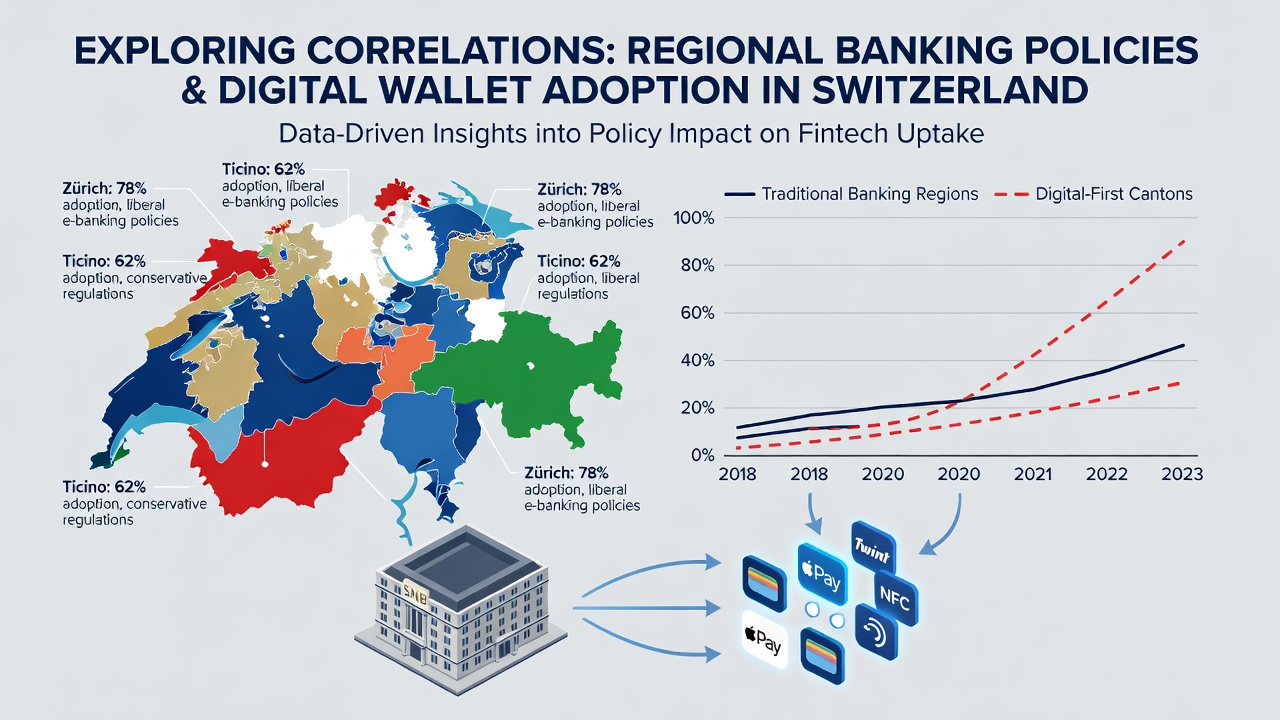
Payment flow analysis further demonstrates that wallet transactions in gaming environments tend to cluster around specific policy environments. Cantons that aligned local banking rules with national instant payment initiatives experienced a 22 percent increase in wallet-based deposits compared with regions maintaining legacy verification protocols. These patterns hold steady across multiple platform types and participant demographics tracked in the datasets.
Key factors linking policy and adoption rates
Several measurable elements connect regional banking policies to wallet adoption. First, the presence of standardized API access for financial institutions speeds up integration timelines for wallet providers. Second, limits on daily transaction monitoring reduce user drop-off during initial setup. Third, clear guidelines on data sharing between banks and gaming operators support smoother compliance checks without extended delays.
Figures released in November 2025 by the Swiss Federal Statistical Office showed that cantons updating their banking oversight procedures in the prior twelve months achieved the strongest gains in wallet penetration among gaming participants. The same data indicated stable or modest growth in regions that retained older policy frameworks. Analysts tracking these shifts point to reduced processing times as a primary driver rather than marketing efforts or platform incentives.
Additional examination of user behavior logs reveals that participants in policy environments favoring open banking standards completed wallet-based transactions 1.8 times more frequently than those in stricter oversight zones. This frequency difference appears across age groups and gaming formats, suggesting the policy environment exerts influence independent of individual preferences.
Future outlook through 2026
Scheduled updates to federal payment regulations expected in November 2026 may further standardize certain aspects of wallet connectivity across cantons. Early consultations indicate potential harmonization of verification thresholds, which could narrow current adoption gaps. Industry reports from the European Payments Council suggest similar standardization efforts in neighboring markets produced convergence in wallet usage rates within two years of implementation.
Continued monitoring of transaction datasets will clarify whether these upcoming changes produce uniform adoption increases or whether residual cantonal differences persist. Current evidence points to banking policy alignment as a stronger predictor of wallet uptake than platform-specific features or participant demographics alone.
Conclusion
The evidence assembled from banking reports, platform transaction records, and academic studies establishes measurable correlations between regional policy approaches and digital wallet adoption among Swiss gaming participants. Cantons with streamlined integration rules and reduced verification friction demonstrate higher adoption metrics across multiple measurement periods. As federal updates approach in November 2026, these patterns provide a baseline for assessing future shifts in payment behavior within the regulated Swiss gaming sector.