Connections Between Secure Transaction Options and Self-Exclusion Mechanisms in Switzerland's Licensed Digital Gaming Environments
Rosa Becker · Sep 27, 2026
Connections Between Secure Transaction Options and Self-Exclusion Mechanisms in Switzerland's Licensed Digital Gaming Environments
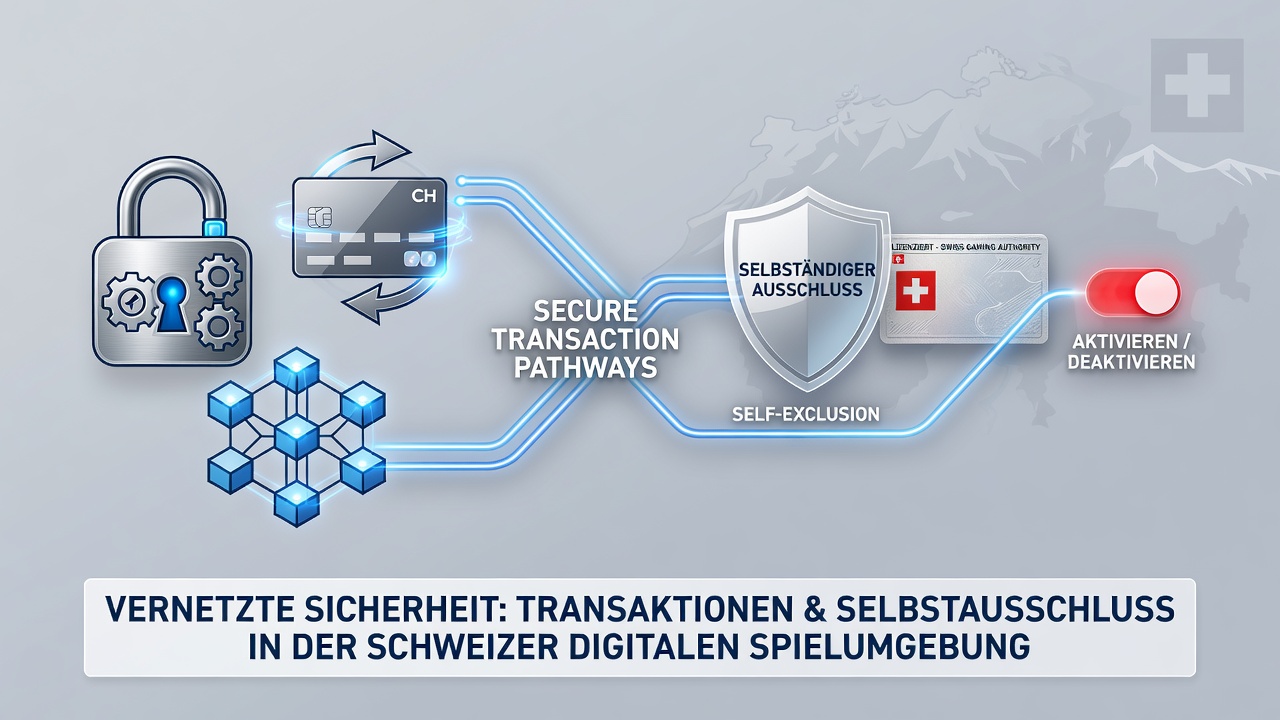
Switzerland maintains a tightly regulated framework for licensed digital gaming that ties secure transaction processing directly to self-exclusion protocols, and operators must demonstrate how these systems work together to meet federal standards. Licensed platforms use verified payment channels to confirm player identity at the point of deposit or withdrawal, which creates an immediate opportunity to cross-check against national self-exclusion databases before any funds move.
Regulatory Foundations in Swiss Digital Gaming
The Federal Act on Gambling and the associated ordinances require every licensed operator to maintain robust technical interfaces between payment providers and responsible gaming tools, while the Swiss Federal Gaming Board oversees compliance through regular audits that examine transaction logs alongside exclusion records. Data from the Federal Statistical Office indicates that transaction volumes in licensed environments reached several billion Swiss francs annually by 2025, and regulators track how payment verification steps intersect with exclusion enforcement.
Secure transaction options include bank transfers, e-wallets, and prepaid cards that undergo multi-factor authentication, and these methods feed directly into centralized monitoring systems that flag accounts listed in self-exclusion registers. When a player initiates a deposit, the platform queries the exclusion database in real time, which prevents funds from entering an account that should be restricted, and the same linkage applies to withdrawal requests to ensure no payouts bypass active exclusions.
How Secure Payments Support Self-Exclusion Enforcement
Researchers at the University of Bern have documented that payment gateways equipped with strong customer authentication reduce the risk of unauthorized account access, and this security layer simultaneously strengthens exclusion mechanisms because identity verification occurs at every financial touchpoint. Operators integrate application programming interfaces that connect banking partners with the national exclusion list, so any attempt to fund or cash out triggers an automated check that blocks the action if the player appears on the register.
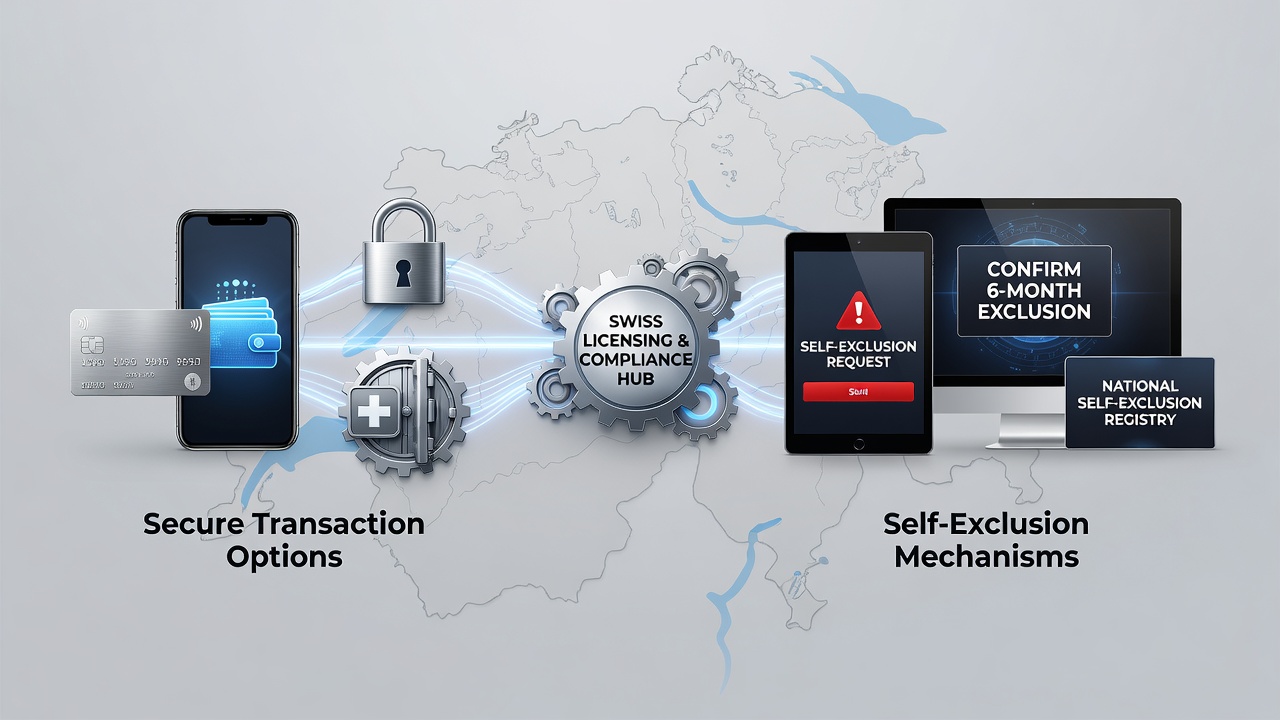
Payment service providers must comply with anti-money laundering rules that demand ongoing due diligence, and these requirements align with self-exclusion protocols because both rely on accurate player data maintained over time. In practice, a player who requests self-exclusion sees their payment methods deactivated within minutes, and transaction histories remain accessible to regulators for audits that verify the exclusion took effect without loopholes.
Technical Integration and Data Sharing
Licensed platforms employ encrypted channels to transmit transaction details to exclusion management systems, and this architecture allows operators to suspend all financial activity while preserving records that demonstrate compliance. What's interesting is that the same cryptographic standards used to protect payment data also safeguard exclusion status updates, which means changes made by players or authorities propagate across systems without exposing sensitive information.
Industry reports from the Australian Gambling Research Centre note similar patterns in other regulated markets where payment verification feeds responsible gaming tools, and Swiss operators have adopted comparable architectures adapted to local licensing conditions. By September 2026, updated technical guidelines are scheduled to require even tighter synchronization between transaction processors and exclusion databases, which will standardize response times and logging formats across all licensed sites.
Player Journey Through Connected Systems
A typical player interaction begins with account registration that captures verified payment details, and subsequent exclusion requests automatically update linked financial profiles to prevent further activity. Those who study these systems observe that the dual-purpose infrastructure reduces administrative overhead because one verification event serves both security and exclusion purposes, and this efficiency shows up in lower error rates during compliance reviews.
Payment reversals and chargeback handling also intersect with exclusion records, since regulators require operators to document how blocked transactions align with active exclusions, and this documentation supports broader efforts to evaluate the effectiveness of self-exclusion programs over multiple quarters. Observers note that the combination of secure payments and exclusion tools creates a closed loop where financial data reinforces behavioral safeguards without requiring separate manual checks.
Conclusion
The connections between secure transaction options and self-exclusion mechanisms form a core component of Switzerland's licensed digital gaming oversight, and ongoing technical refinements scheduled through 2026 will continue to strengthen these linkages. Regulators, operators, and payment providers maintain coordinated systems that use identity verification at every financial step to enforce exclusion rules, and the resulting framework delivers measurable compliance outcomes while protecting player data through established encryption standards.