Balancing Entertainment Options and Protective Measures Within Switzerland's Framework for Virtual Casino Environments
Frankie Vogel · Oct 11, 2026
Balancing Entertainment Options and Protective Measures Within Switzerland's Framework for Virtual Casino Environments
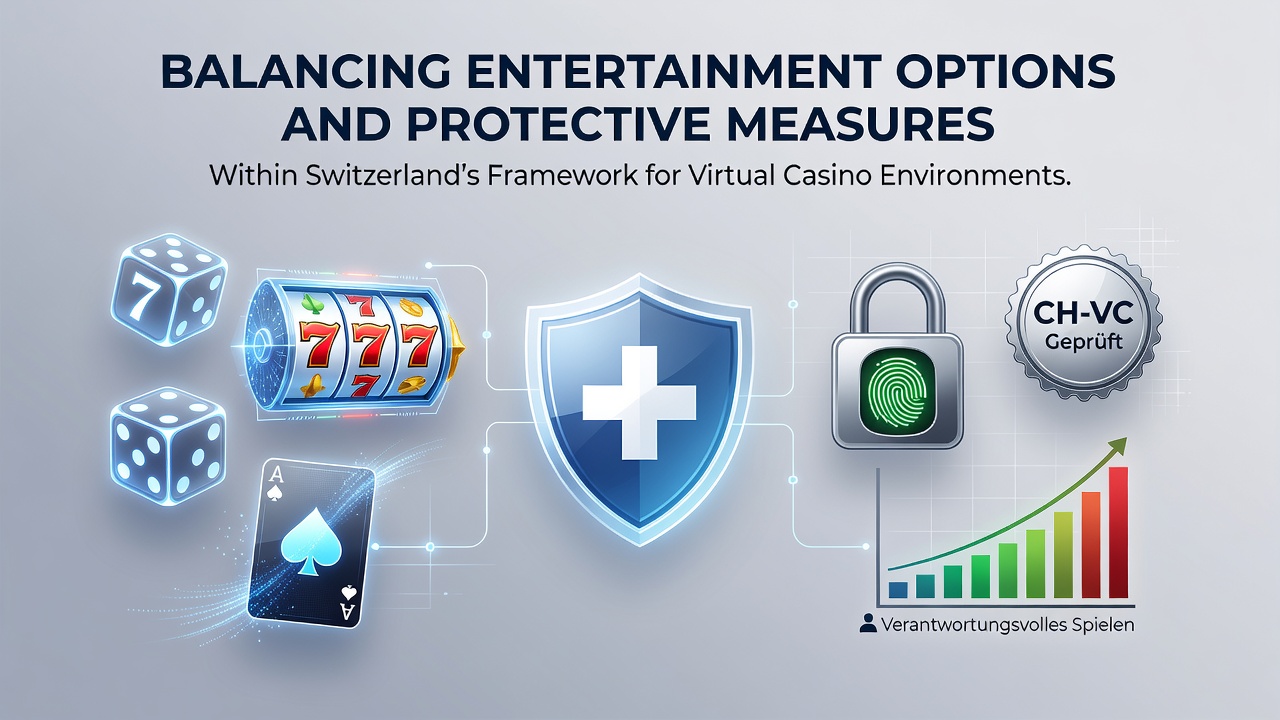
Switzerland maintains a structured approach to virtual casino operations through its federal legislation that permits licensed operators to offer digital gaming while enforcing strict safeguards, and this framework continues to evolve with scheduled assessments extending into October 2026. Licensed platforms must deliver a range of entertainment choices including slots, table games, and live dealer experiences yet they operate under oversight from the Swiss Federal Gaming Board which reviews compliance on an ongoing basis. Observers note that the system integrates player protection directly into the licensing process so that entertainment variety does not come at the expense of responsible gaming standards.
Regulatory Foundations Supporting Virtual Casinos
The Federal Act on Games of Chance and Casinos establishes clear rules for online operators who must obtain authorization before providing services to Swiss residents, and this legislation outlines both permissible game types and mandatory security protocols. Data from regulatory filings shows that only entities meeting technical and financial criteria receive licenses, which allows them to host virtual environments that include progressive jackpots alongside standard offerings. Those who have examined the law understand that operators face regular audits to confirm adherence, and this process helps maintain consistency across the sector while accommodating technological updates in game design.
Entertainment Options Under Licensed Conditions
Virtual casinos in Switzerland feature diverse game selections that range from traditional slots with multiple paylines to interactive live sessions streamed from certified studios, and these options must comply with fairness testing conducted by independent laboratories. Research indicates that licensed providers incorporate features such as thematic variations and bonus rounds without introducing mechanics that bypass spending controls, which creates an environment where users can explore different formats while remaining within defined boundaries. Figures from industry reports reveal steady growth in approved game categories since the law took full effect, with operators expanding catalogs through regulated channels rather than unrestricted additions.
Protective Measures Embedded in Operations
Operators implement age verification at registration along with ongoing monitoring tools that track activity patterns, and these steps connect directly to self-exclusion lists maintained across licensed platforms. Spending limits can be set at the account level with automatic enforcement, which prevents escalation beyond predefined thresholds, while cooling-off periods offer additional pauses when requested. Evidence from compliance records demonstrates that such measures integrate with transaction processing so that deposits align with verified limits, and this setup reduces the potential for unchecked participation without restricting access to approved entertainment.
Integration of Entertainment and Safeguards
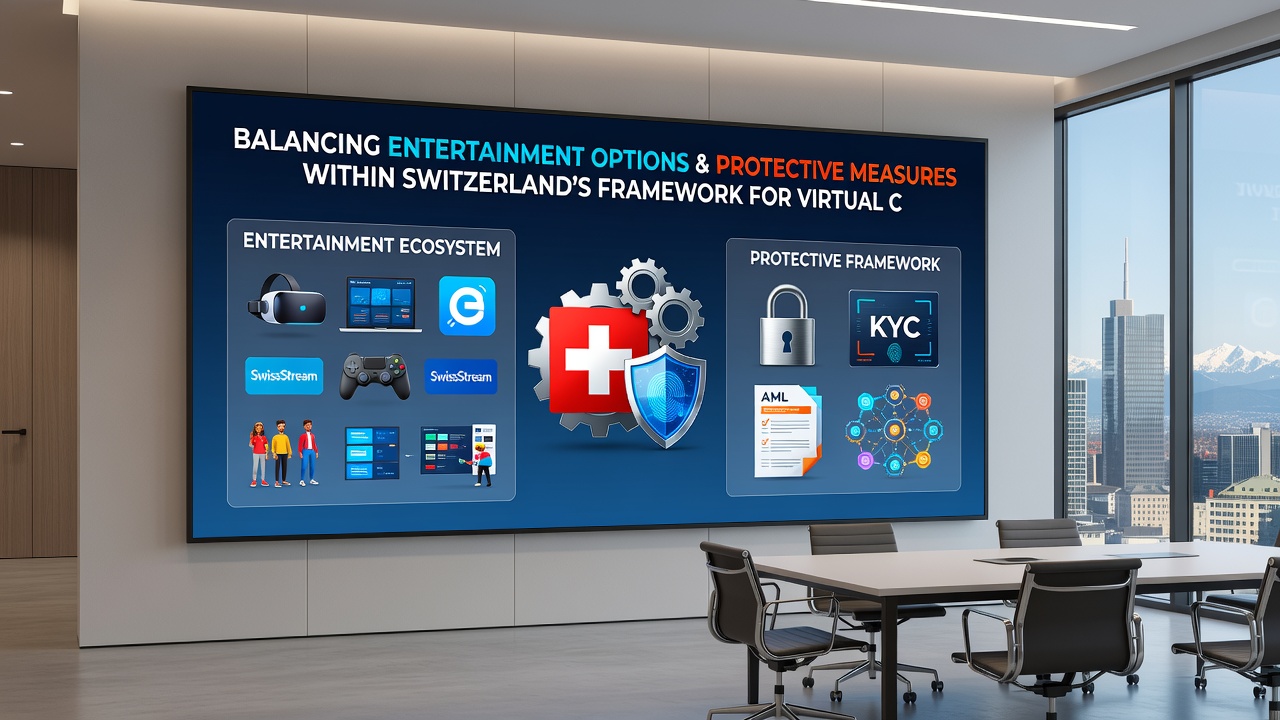
Platform architecture in Switzerland requires that entertainment features operate alongside real-time alerts about session duration and expenditure, and this dual structure ensures users receive information at key decision points during play. Studies from academic sources on gambling systems highlight how Swiss models link bonus eligibility to verified account status, which maintains incentive structures while tying them to protective thresholds. Those who track regulatory developments point out that operators must report aggregated usage data periodically, allowing authorities to adjust guidelines as participation trends emerge over time.
International comparisons appear in reports from bodies such as the Australian Gambling Research Centre, which examines similar licensing models across jurisdictions, yet Swiss rules emphasize centralized oversight that coordinates with cantonal authorities. Another reference comes from the Canadian Centre on Substance Use and Addiction, where analyses of regional frameworks note parallels in verification requirements, although Switzerland's approach incorporates federal uniformity from the outset.
Future Adjustments and Monitoring
Regulatory reviews planned through October 2026 will assess how current entertainment catalogs interact with updated protection tools, and this timeline allows for incorporation of new data on user behavior collected from licensed sites. Observers note that adjustments may address emerging game formats such as skill-influenced variants while preserving core limits on session length and deposit frequency. Compliance teams continue to evaluate software updates to confirm that protective layers remain intact during expansions, which supports ongoing balance between variety and control.
Conclusion
Switzerland's framework for virtual casino environments demonstrates a coordinated system where entertainment options develop within boundaries set by protective requirements, and ongoing oversight ensures alignment between these elements. Licensed operators deliver varied experiences that meet technical standards while embedding tools for responsible participation, and data collection supports refinements as the sector matures. This structure positions the country to adapt measures in line with technological shifts and usage patterns through the specified review periods.